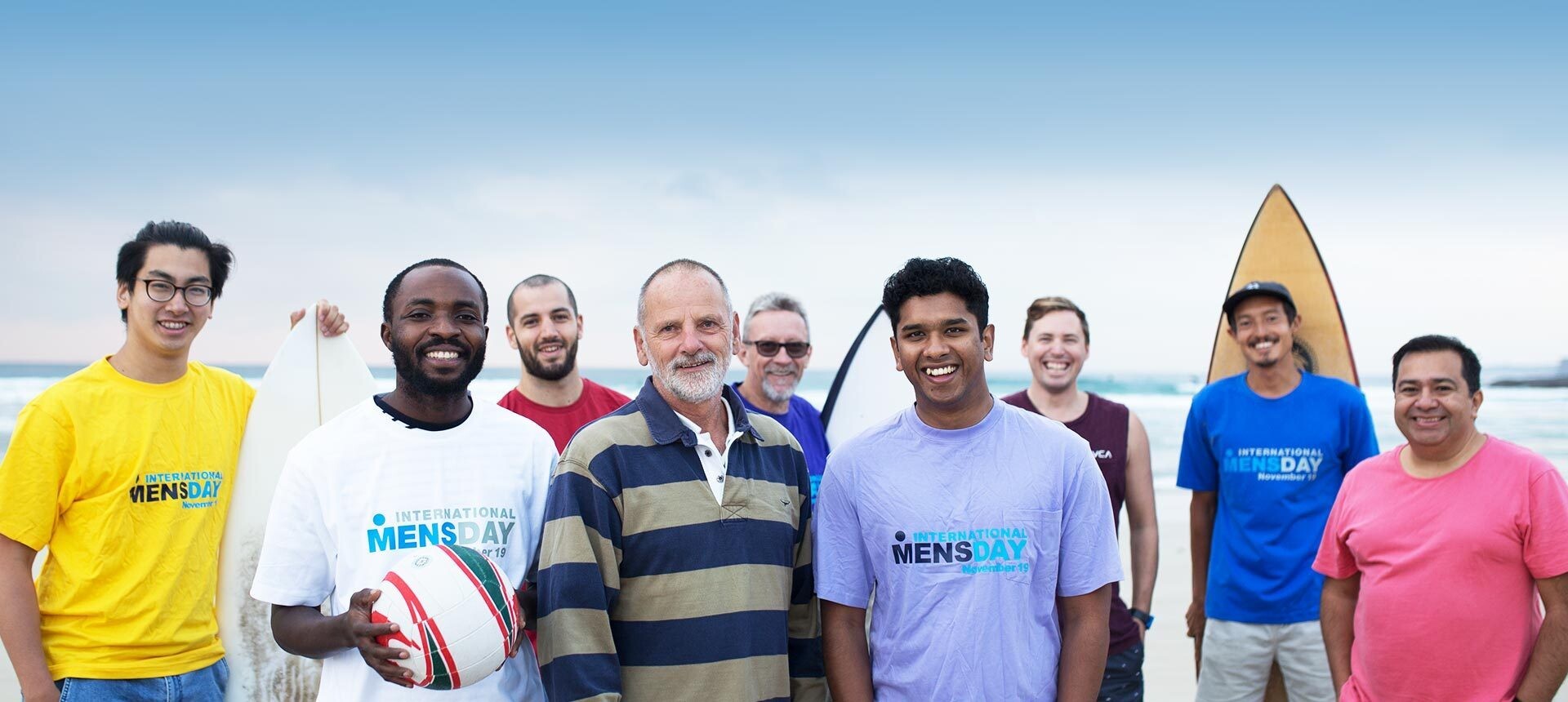
Celebrating International Men's Day: Honoring Health, Roles, and the Path to Gender Equality
Every year on November 19, the world turns its attention to
International Men's Day, an annual observance dedicated to recognizing and celebrating the positive contributions that biological men and boys make to families, communities, and society at large. Far more than just a date on the calendar, this significant day serves as a vital platform to address critical issues often overlooked: men's health, the promotion of positive male role models, and the ongoing effort to improve gender relations. Observed in over 80 countries, International Men's Day champions a holistic approach to male well-being, fostering a balanced perspective on gender and societal progress.
The Foundational Principles and Global Significance of International Men's Day
The concept of an International Men's Day has a rich, albeit complex, history. While earlier attempts to establish such a day, like those coordinated by Thomas Oaster in the early 1990s, faced challenges in gaining widespread traction, the modern observance as we know it was formally established in 1999. Dr. Jerome Teelucksingh, a lecturer in history at the University of the West Indies in Trinidad and Tobago, is credited with revitalizing and formalizing the day. He initiated
International Men's Day not only to commemorate his father's birthday but, crucially, to shed light on significant yet under-discussed challenges confronting men and boys globally. These include alarming statistics such as higher rates of suicide, a shorter life expectancy compared to women, and their underrepresentation in discussions concerning gender-specific disadvantages. For a deeper dive into the historical efforts and the ultimate establishment of this important day, explore
The Origins of International Men's Day: A Look at its Evolution.
The day's objectives are clearly defined and universally applicable, emphasizing six core aims:
- Focusing on men's and boys' health and well-being.
- Improving gender relations and promoting gender equality.
- Highlighting positive male role models across all walks of life.
- Creating a safer and better world for everyone.
- Fostering good fatherhood and mentorship.
- Addressing empirical disparities that disproportionately affect men and boys.
These aims underscore a commitment to progress that benefits all members of society, advocating for a world where both men and women can thrive.
Confronting Men's Health Challenges: A Core Pillar of IMD
One of the most pressing mandates of
International Men's Day is to bring men's health issues to the forefront. Statistics consistently reveal significant disparities that demand attention. For instance, in many developed nations, men typically experience a shorter life expectancy than women. Data from England, for example, shows men living an average of 79.0 years compared to 83.0 years for women. Even more stark are the suicide rates, which are significantly higher among males across various age groups globally.
These aren't merely numbers; they represent lives cut short and unaddressed suffering. The reasons behind these disparities are multifaceted, often rooted in a combination of biological differences, occupational risks that disproportionately affect men (e.g., hazardous industries), and societal pressures. Traditional notions of masculinity can sometimes discourage men from seeking help for physical and mental health issues, leading to delayed diagnoses, untreated conditions, and a reluctance to engage in open conversations about their emotional well-being.
On
International Men's Day, and throughout the year, it is crucial to encourage:
- Regular Health Check-ups: Emphasizing preventative care and early detection for conditions like heart disease, prostate cancer, and diabetes.
- Mental Health Awareness: Destigmatizing discussions around mental health, depression, anxiety, and suicide prevention. Encouraging men to seek therapy or counseling without shame.
- Healthy Lifestyles: Promoting balanced diets, regular exercise, and moderation in alcohol consumption.
- Open Communication: Creating environments where men feel comfortable discussing their health concerns with friends, family, and healthcare professionals.
Understanding and addressing these health challenges is not just about men; it's about strengthening families and communities. The sustained focus on men's health is a testament to why
Beyond the Debate: Why International Men's Day is Vital for Men.
Promoting Positive Male Roles and Meaningful Mentorship
Another cornerstone of
International Men's Day is the active promotion of positive male role models. In an era where portrayals of masculinity can sometimes be narrow or even negative, highlighting men who embody integrity, compassion, strength, and responsibility is essential. These role models exist in every sphere of life – fathers, brothers, teachers, community leaders, athletes, and artists – demonstrating constructive ways to navigate the world.
Positive male role models contribute significantly by:
- Inspiring Younger Generations: Showing boys how to grow into well-rounded, respectful, and contributing adults.
- Challenging Harmful Stereotypes: Broadening the definition of masculinity to include emotional intelligence, caregiving, and community engagement, moving beyond outdated notions of stoicism or aggression.
- Fostering Responsible Fatherhood: Encouraging active, engaged father figures who positively influence their children's development and family dynamics.
- Mentorship: Providing guidance and support to younger men and boys, helping them make informed choices and overcome challenges.
By celebrating these positive expressions of masculinity,
International Men's Day helps to cultivate an environment where men and boys can develop into their full potential, contributing positively to their families, workplaces, and wider society.
Fostering Gender Equality and Improving Gender Relations
Perhaps one of the most misunderstood aspects of
International Men's Day is its role in fostering gender equality. Critics sometimes dismiss the day as redundant or even antagonistic to women's rights, often framing it against a backdrop of perceived inherent male privilege. However, such views frequently overlook the empirical disparities and causal factors that affect men, including specific biological vulnerabilities, distinct occupational risks, and societal expectations that can be detrimental to their well-being.
International Men's Day is not about asserting male superiority or undermining the vital progress made in women's rights. Instead, it advocates for a balanced approach to gender equality, recognizing that true equality benefits everyone. It seeks to improve gender relations by fostering dialogue, understanding, and mutual respect, acknowledging that men, too, face unique challenges and disadvantages that require attention.
By shining a light on men's issues, the day contributes to a more complete and nuanced understanding of gender dynamics. It encourages a societal conversation where:
- Both men and women are seen as individuals with unique strengths and challenges.
- Discussions about gender are inclusive, addressing the needs and struggles of all.
- Collaboration between genders is prioritized to build a more equitable and compassionate world.
Ultimately, improving gender relations means working towards a society where every person, regardless of gender, has the opportunity to thrive free from harmful stereotypes, discrimination, and preventable suffering.
Conclusion
International Men's Day stands as a crucial annual observance, providing a dedicated space to reflect on the multifaceted lives of men and boys. From drawing attention to critical health disparities and promoting positive male role models to advocating for balanced gender relations and fostering a more inclusive vision of equality, the day's objectives are vital for societal progress. It reminds us that focusing on men's well-being is not a zero-sum game but an essential component of creating a healthier, more equitable, and understanding world for all. As we observe November 19, let us embrace the opportunity to support men and boys, celebrate their contributions, and continue the important conversations that lead to meaningful change.